About The Project
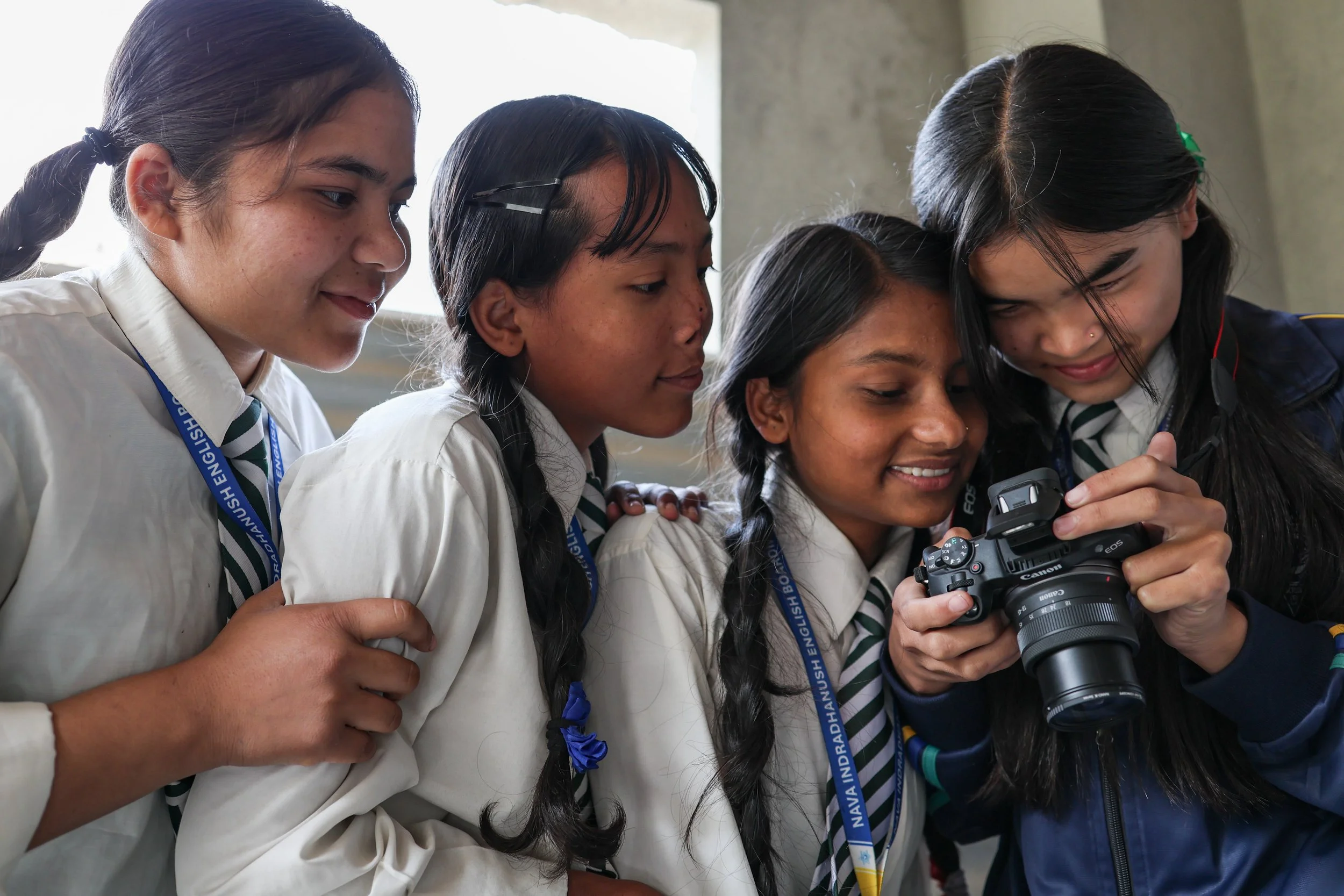
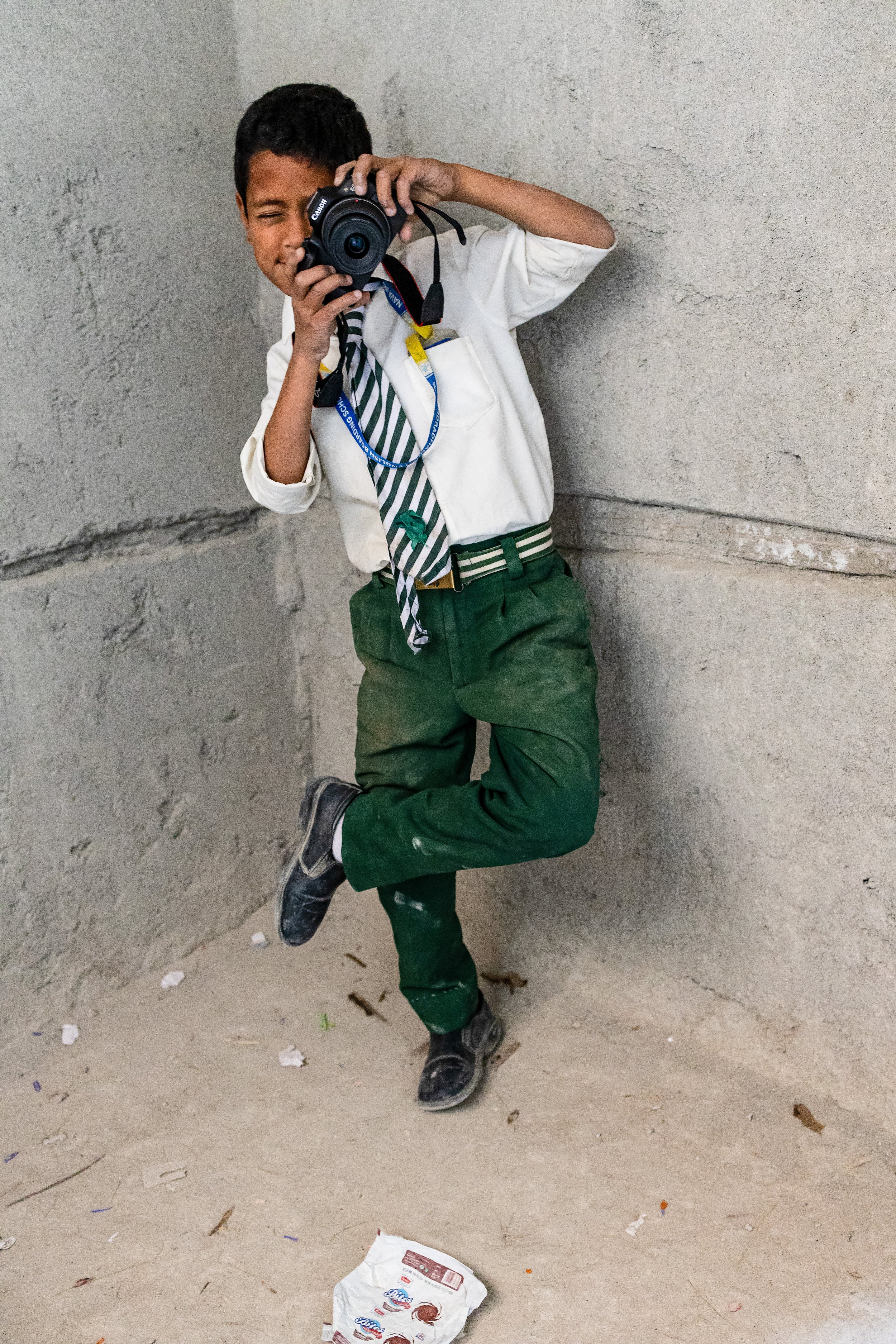
Through Their Eyes is a documentary storytelling project that invites people to share their world from their own perspective. Working with communities around the world, participants are given cameras to document their daily lives, their environment, the moments that matter to them, and what often goes unnoticed.
Rather than telling stories about people, this project creates space for them to tell their own.
Participants take part in hands-on photography and storytelling workshops where they learn the basics of photography, visual storytelling, composition, lighting, portraiture, and documentary work. Through lessons, photo walks, creative exercises, and collaborative discussions, participants are encouraged to use photography not only as a creative tool, but as a way to reflect on their lives, express themselves, and preserve their experiences.
The mission of Through Their Eyes is to create connection, understanding, and visibility through collaborative storytelling. The project aims to challenge stereotypes, encourage empathy, and highlight perspectives that are often overlooked or misunderstood. By placing cameras directly into the hands of participants, the work becomes less about observation from the outside and more about self-representation and shared human experience.
The project was created by Lauren Modler, an American photojournalist whose work has been published in publications including The New York Times and The Washington Post. After years working in traditional journalism and documentary photography, Lauren began developing Through Their Eyes as a more collaborative and community-driven approach to storytelling, one that focuses on participation, trust, and giving people the opportunity to document their own realities.
Through Their Eyes hopes to work with a wide range of communities around the world, particularly those whose stories are often underrepresented, misunderstood, or overlooked. This can include youth communities, women’s groups, refugee and migrant communities, religious communities, rural villages, grassroots organizations, people living alternative lifestyles, and communities navigating social or economic challenges. Each workshop is adapted to the people and environment involved, with the goal of creating an open, respectful, and creative space where participants feel comfortable sharing their perspective.